
Break-in resistant film, Philly
Security Window Film in Philadelphia
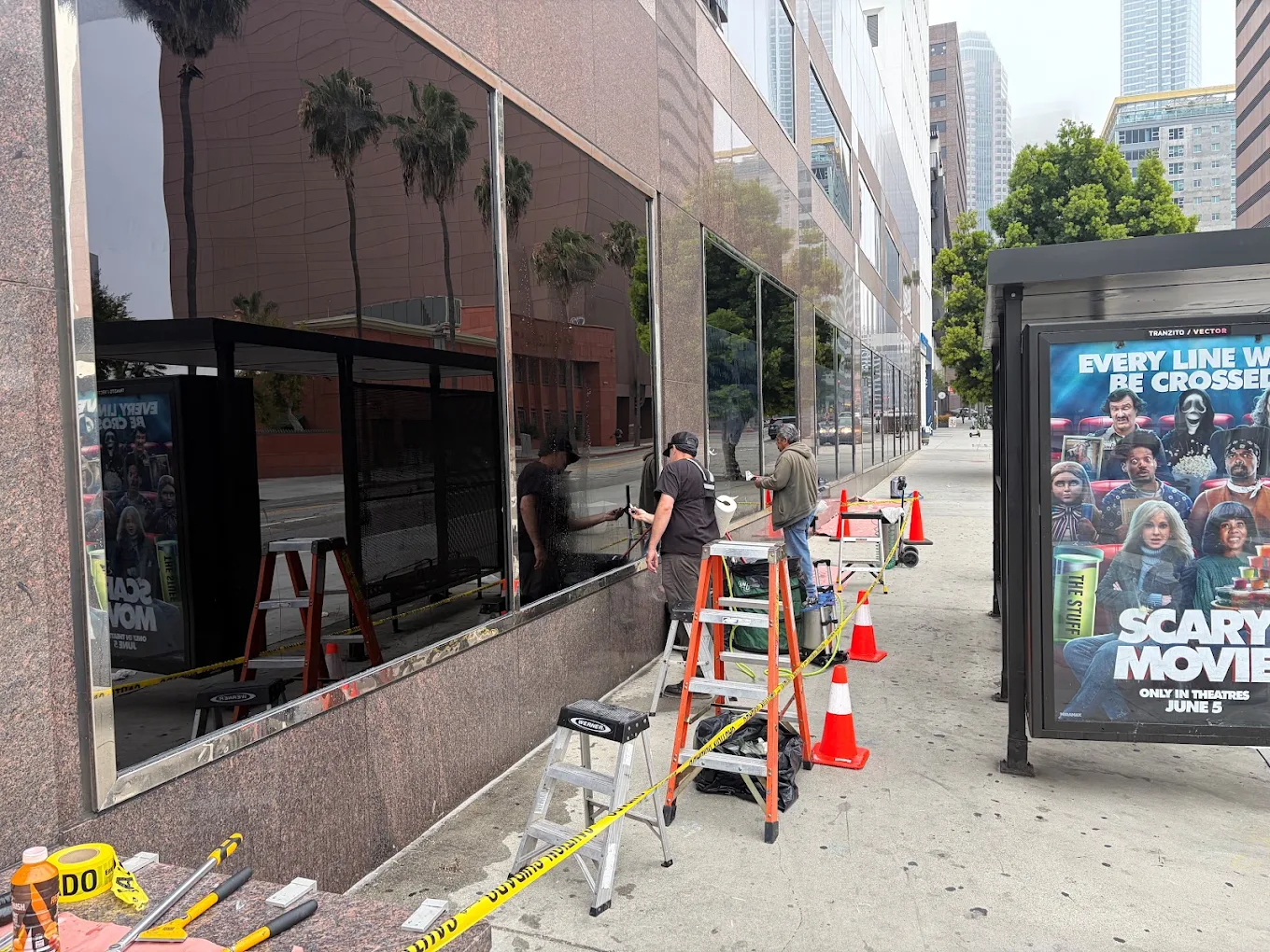
Rowhouse break-ins usually start with one pane of glass at the back or below the sidewalk. Security film keeps that pane in one cracked piece after it is hit, so getting inside is slower, louder and more likely to be noticed.
 Philadelphia
Where Philadelphia Homes Are Most Exposed
In a typical rowhouse, the weak points are predictable. Basement windows sit at or below sidewalk level and are often hidden behind a bush or a trash can. Rear windows and kitchen doors face an alley or shared driveway with little foot traffic. The front window is visible from the street, but on a quiet block late at night that does not stop a quick smash.
Twins and detached houses in Mount Airy, Roxborough and Germantown add side windows and porch-level glass to the list. Glass panes in or beside entry doors are a common target because breaking them can let someone reach in to turn a lock. Those are the places security film does the most good.
How Security Window Film Slows a Break-In
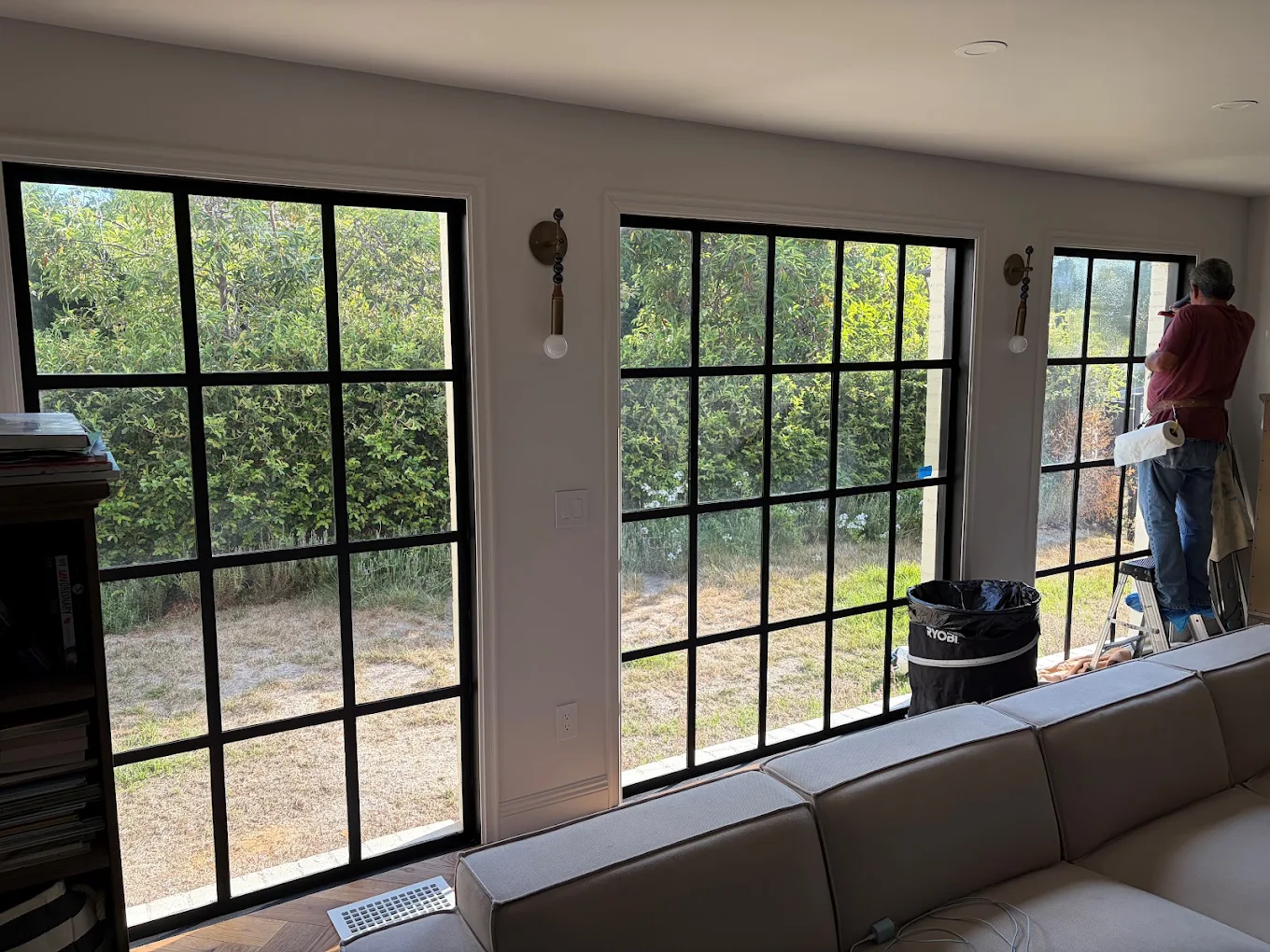
Ordinary glass breaks into pieces that fall out of the frame, leaving an open hole. With security film, the glass still cracks, but the shards stay bonded to the film, and the pane tends to stay in the frame as a single sagging sheet. Someone trying to get through has to keep striking and pulling, which takes time and makes noise.
Film thickness matters. Thinner safety films mainly hold glass together after accidental breakage. Thicker security films resist forced entry better. For the most protection, installers bond the film's edges to the surrounding frame using a structural attachment system, which keeps the whole pane from being pushed in.
No film makes a window impossible to break. The goal is delay and deterrence, buying enough time for an alarm, a neighbor or a barking dog to do its job.
Security Film Compared With Bars and Grates in Philadelphia
Window bars and grates are common on Philadelphia basement and first-floor windows, and they work. They also make a house look closed off, can block emergency exit from bedrooms, and on historic facades may draw Historical Commission attention. Film is invisible from the street and leaves the window fully operable.
For many owners the best answer is both: grates on the basement openings nobody needs to use, and security film on rear doors, first-floor windows and door sidelights where bars would be unsafe or unattractive.
Security Film for Storms, Accidents and Safety Glass
Security film has a quieter benefit. When a branch comes down in a summer thunderstorm, or a ball goes through a back window, the broken glass stays on the film instead of spraying across the room. That matters in kids' rooms and next to stairs.
Older Philly houses often have large panes of plain glass in places modern codes would call for safety glass, such as glass doors and windows near the floor. Safety film is a practical upgrade for those panes. We can tell you which ones we would treat first in your house.
Package theft and car break-ins get more attention on neighborhood forums, but a smashed rear window is often what owners call us about. After a repair is the most common time people add film, since the glass is new and clean and the risk feels real.
What Security Film Does for Philadelphia Homes
Security Window Film on Basement and Alley Windows
Film on the hidden, low-traffic openings of a rowhouse turns a quick, quiet break-in into a slow, loud one. Those are the windows that most need the extra delay, because no one is passing by to notice.
Clear Security Film That Keeps the Street Look
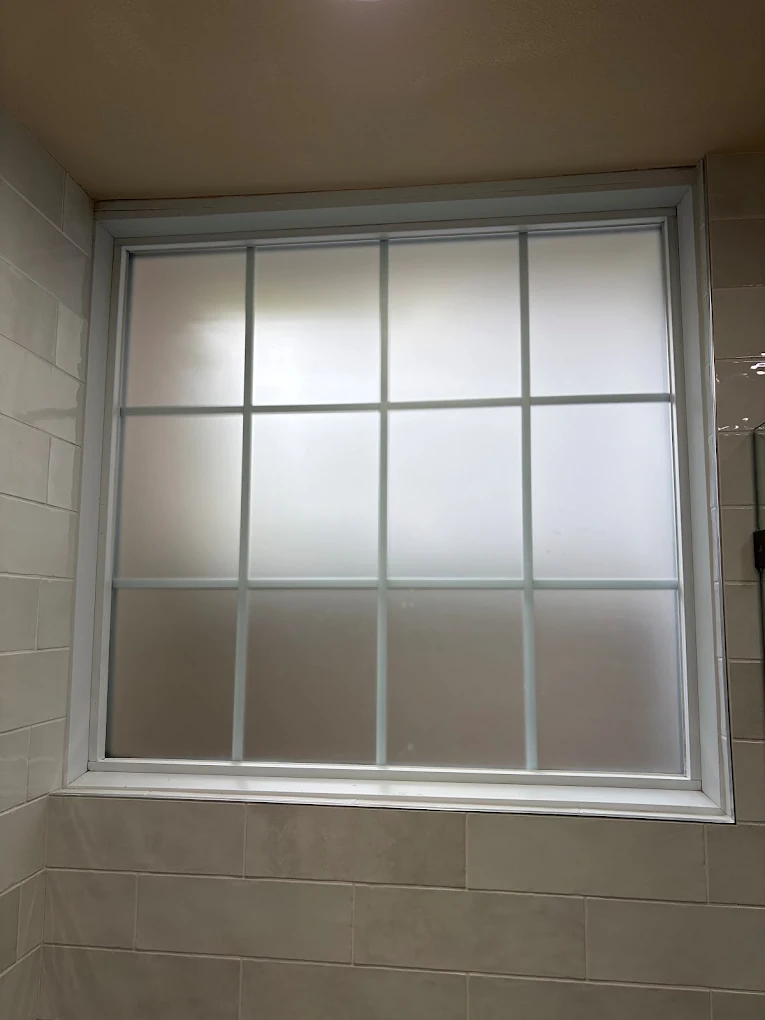
Security film is optically clear, so the house does not look fortified from the sidewalk. That suits historic blocks and owners who do not want bars on every opening.
Safer Broken Glass in Philly Homes
If a pane breaks by accident, from a storm, a fall or a stray ball, the pieces stay attached to the film. It reduces cuts and cleanup, especially in older homes with large panes of ordinary glass.
Added UV Protection From Security Film
Security films also block most ultraviolet light, so the same installation slows fading of floors and furniture in rooms with sunny windows. Tinted versions can add heat and glare control as well.
Security Window Film Questions for Philadelphia Homeowners
Will security window film stop someone from breaking in?
It will not make a window unbreakable. It holds the glass together and slows entry, which often leads an intruder to give up or attracts attention. Combine it with good locks, lighting and an alarm.
Can I see security film on the window?
Clear security film is hard to notice from the street. Up close you may see a thin edge, or the attachment bead if one is used along the frame.
Does security film work on rowhouse basement windows?
Yes, as long as the glass and frame are sound. Some basement sash are very old or rotted, and in that case we may suggest fixing the frame first, since film cannot add strength to a loose frame.
What is a frame attachment system for security film?
It is a structural adhesive or mechanical strip that bonds the film to the window frame. It keeps the broken pane from being pushed in as a whole sheet and gives the most protection film can offer.
How thick is residential security film?
It ranges from thin safety films to much thicker security grades. We match thickness to the window's risk and size, using heavier film on doors and ground-level glass.
Window film quote
Security Window Film Quote for Your Philadelphia House
List the windows and doors that worry you, such as basement, alley side or door sidelights, and send photos. We will recommend film thickness and whether frame attachment makes sense.
Prefer email? info@windowfilmphilly.pro