Patterned glass film, Philly
Decorative Window Film in Philadelphia
An etched or reeded look on a transom, sidelight or bathroom sash used to mean ordering new glass. With decorative film, the existing pane gets the pattern in place, and older Philadelphia houses have plenty of panes that suit it.
 Philadelphia
Where Decorative Window Film Fits in Philadelphia Houses
Older Philly houses are full of small pieces of glass that do a lot of work: the transom over a rowhouse front door, the sidelights beside a twin's entry, the glazed vestibule door, the little window lighting a stair landing. Many of these originally held etched or textured glass that was replaced with plain panes at some point. Film is an easy way to bring back some of that character.
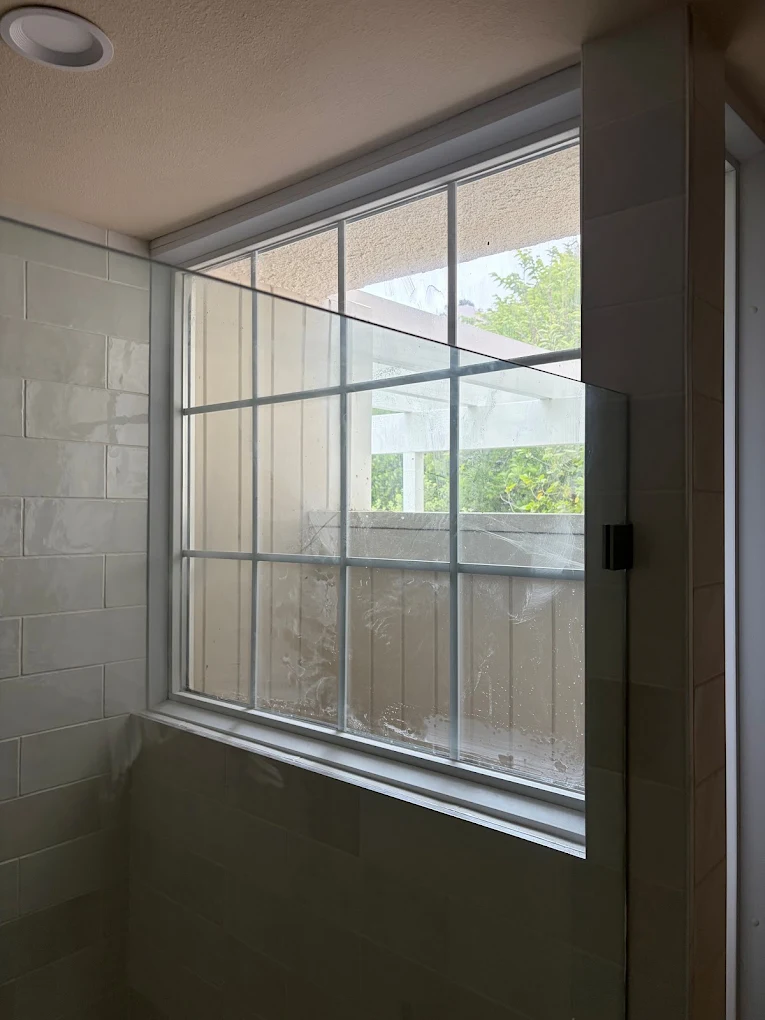
Bathrooms are the other big use. A bathroom window on the back ell of a rowhouse often looks directly at the neighbors. A patterned or reeded film gives privacy with more interest than a flat frost, and it can be removed if a future owner prefers something else.
Decorative Film Styles That Suit Older Philly Homes
For Victorian twins in Germantown or West Philly and the brick rowhouses around Fairmount, simple patterns usually look most at home: fine etched glass, frosted borders around a clear center, narrow reeds or a soft linen texture. These echo the kinds of glass the houses were built with, without pretending to be stained glass.
House numbers on a transom were common on Philadelphia rowhouses, and many still have them painted or gilded. We can cut numbers or a simple border from frosted film for a transom that has lost its original lettering. It is a small detail that changes how a front door reads from the sidewalk.
For stone houses in Chestnut Hill with leaded or divided windows, we generally recommend leaving original art glass alone and using film only on plain replacement panes.
Decorative Window Film for Modern Philadelphia Builds
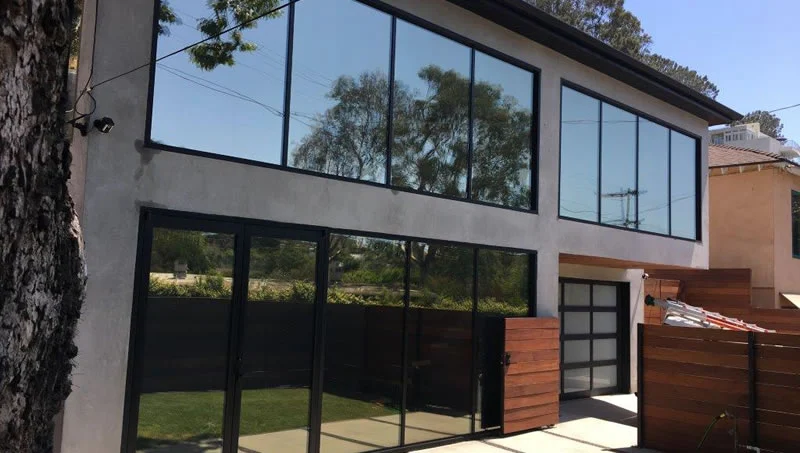
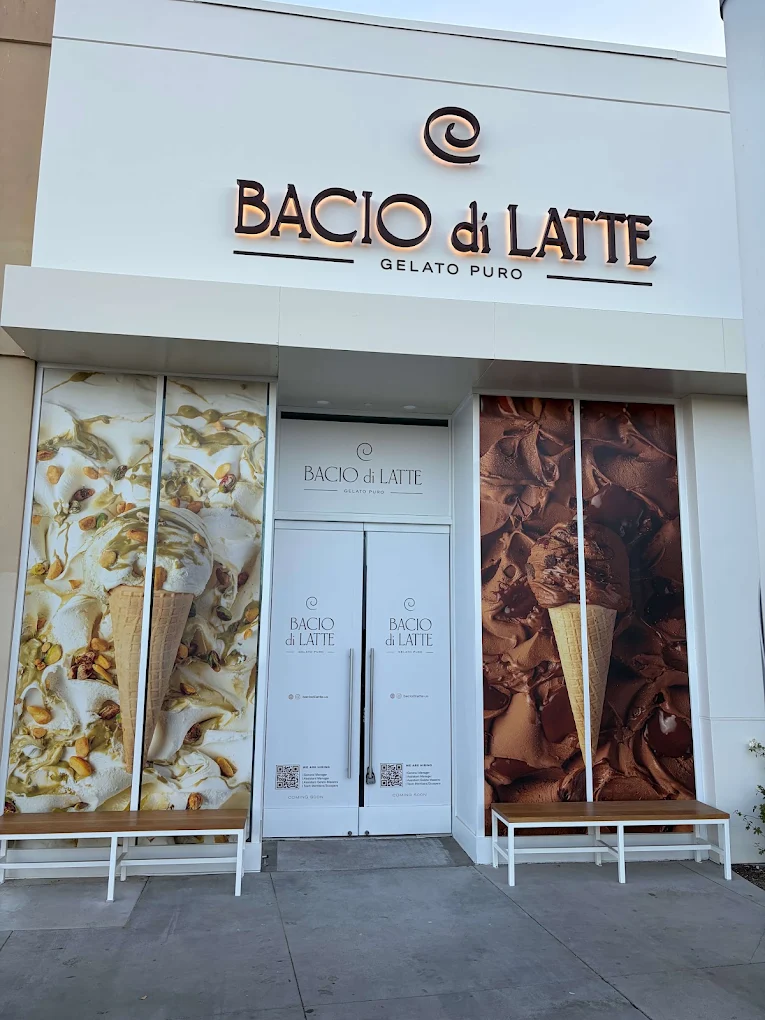
New construction in Fishtown, Northern Liberties and Point Breeze tends toward clean lines and a lot of glass. Decorative film there usually takes a geometric or minimal form: frosted stripes, graduated dot patterns or a band at a set height on a glass shower wall, office door or stairwell window.
Glass railings on roof decks and interior glass partitions can also take film. Exterior-grade film is needed for glass that faces the weather, and we will tell you which surfaces need it.
Interior glass is often the easiest place to start. A frosted band across a glass office door in a converted Brewerytown or Kensington loft, or a patterned film on a pantry door, changes how a room feels without any construction. Since interior glass does not face the sun, these films also last a long time and need very little care beyond gentle cleaning.
Decorative Film Versus Replacing Philadelphia Glass
Replacing a sidelight or transom with real etched or textured glass means custom glass cutting, possibly new glazing putty or stops, and sometimes paint touch-up on old wood. Film goes on the existing pane in place, usually in less than an hour per opening.
Film also keeps your options open. If you sell, change the room, or simply tire of the pattern, it can be peeled off and replaced. That flexibility matters for renters and for owners of historic houses who do not want to make permanent changes. Owners of designated properties should still check with the Philadelphia Historical Commission before adding a pattern to street-facing glass.
What Decorative Film Does for Philadelphia Homes
Decorative Window Film Privacy With Character
Patterned and etched-look films block a direct view into bathrooms, entries and side windows while adding detail to the glass. You get privacy without the flat, office-like look of plain frosting.
Period-Appropriate Glass Looks for Philly Rowhouses
Simple etched, reeded and bordered patterns suit the transoms and vestibule doors of older Philadelphia houses. Cut-out house numbers on a frosted transom restore a familiar detail many blocks lost over time.
Removable Decorative Film Instead of New Glass
Film can be removed later without harming the glass, so it is a low-commitment change compared with installing permanent etched or textured glass. Renters can use it too, with the landlord's sign-off.
UV Screening Behind Decorative Glass Film
Most decorative films still block much of the ultraviolet light passing through, adding some fade protection to floors and rugs in entry halls and bathrooms that get morning or afternoon sun.
Decorative Window Film Questions in Philadelphia
Can you match the etched glass on my neighbor's door?
We can often find a film pattern close to common etched and frosted designs, though an exact match to antique hand-etched glass is unlikely. Bring a photo and we will show the closest options.
Can decorative film go on a glass shower door?
Yes, on the dry side of the glass. Film on the wet side wears faster from water and cleaning products. Use a mild cleaner and a soft cloth to keep it looking right.
Can you cut house numbers for my Philadelphia transom?
Yes. We cut numbers and simple borders from frosted or colored film and apply them to the inside of the transom glass, so they are protected from weather.
Will decorative film come off if I change my mind?
Yes. It peels off with some heat, and leftover adhesive is cleaned off with solvent. The glass underneath is not damaged.
How long does decorative window film last on a Philadelphia house?
Interior decorative film on glass out of direct sun can last a very long time. Film on south or west windows ages faster, and exterior-grade film on deck railings has a shorter service life. We tell you what to expect for each surface.
Window film quote
Decorative Window Film Ideas for Your Philadelphia Glass
Photograph the transom, door or window you have in mind and tell us the look you want. We will send pattern options and a price.
Prefer email? info@windowfilmphilly.pro