
Philly window efficiency
Energy-Saving Window Film in Philadelphia
Replacing every window in an old Philadelphia house is expensive, and in some historic districts it is complicated. Energy-saving film improves how the existing glass handles summer sun and winter cold for much less.
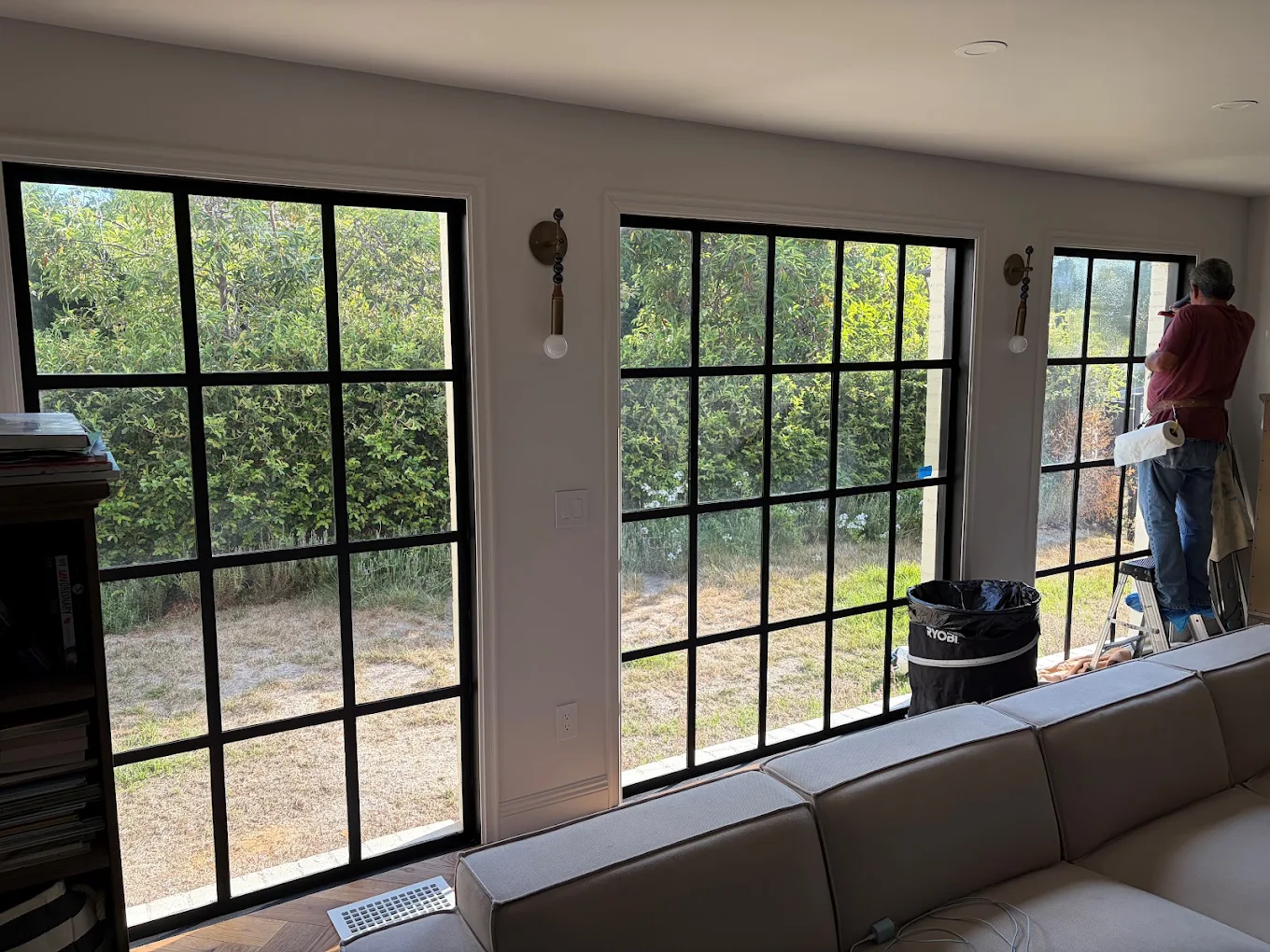 Philadelphia
Where Philadelphia Homes Lose Energy Through Glass
A lot of Philadelphia houses still have original wood sash, often single-pane, sometimes with aluminum triple-track storm windows added on the outside in later decades. Others have early vinyl or aluminum replacement windows with basic double-pane glass and no low-E coating. All of these let a lot of heat through.
In summer, that heat comes from the sun, mainly through south and west glass. In winter, the flow reverses: heat from the furnace or boiler escapes through the cold glass, and rooms near big windows feel drafty even when the sash is tight. Energy-saving films address both directions, though different films lean one way or the other.
How Energy-Saving Window Film Works in Both Seasons
Solar control films reduce summer heat gain by rejecting a share of incoming solar energy. That lowers the work your air conditioning does on the hottest afternoons, which is when electric demand on PECO's system is highest.
Low-emissivity films add a coating that reflects long-wave heat, the kind radiated by warm room surfaces and people. In winter, more of that heat is reflected back into the room instead of passing out through the glass. The effect is modest compared with a new insulated window, but on single-pane glass it is a noticeable step up for a fraction of the cost.
For most Philly houses we recommend a low-E or selective film that balances both seasons, rather than a dark summer-only film that also blocks useful winter sun.
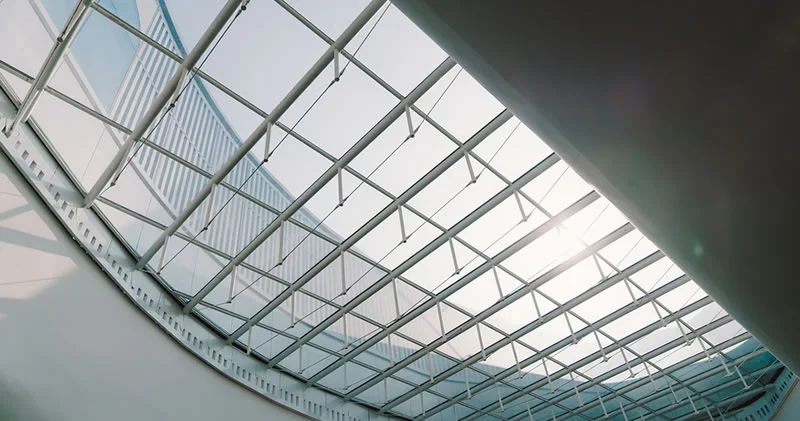
Energy Film, Utility Bills and Philadelphia Gas Heat
In the city, most homes buy electricity from PECO and heat with natural gas from Philadelphia Gas Works, though some use oil or electric heat pumps. On the Main Line and in other suburban areas, PECO supplies both electricity and gas. Whatever the fuel, the windows are one of the weakest parts of an older home's envelope.
Film will not replace air sealing, attic or roof insulation, or a well-tuned heating system, and those often pay back faster. But once the cheaper fixes are done, the glass is usually what is left. We are glad to work alongside an energy audit and can provide film specifications for an auditor's report.
Energy Film on Historic and Storm-Windowed Philly Houses
Window replacement on designated buildings in Society Hill, Old City and other historic districts often requires Historical Commission review, and owners are commonly encouraged to repair original sash rather than replace it. Interior film leaves the original window in place and can be removed later. Owners of designated properties should still confirm with the Commission before installing, particularly on street-facing windows.
If you already have exterior storm windows, film normally goes on the inside of the primary sash. We check the gap between the storm and the main window, since some films are not suited to glass that sits in a closed, hot air space, and choose a product rated for that setup.
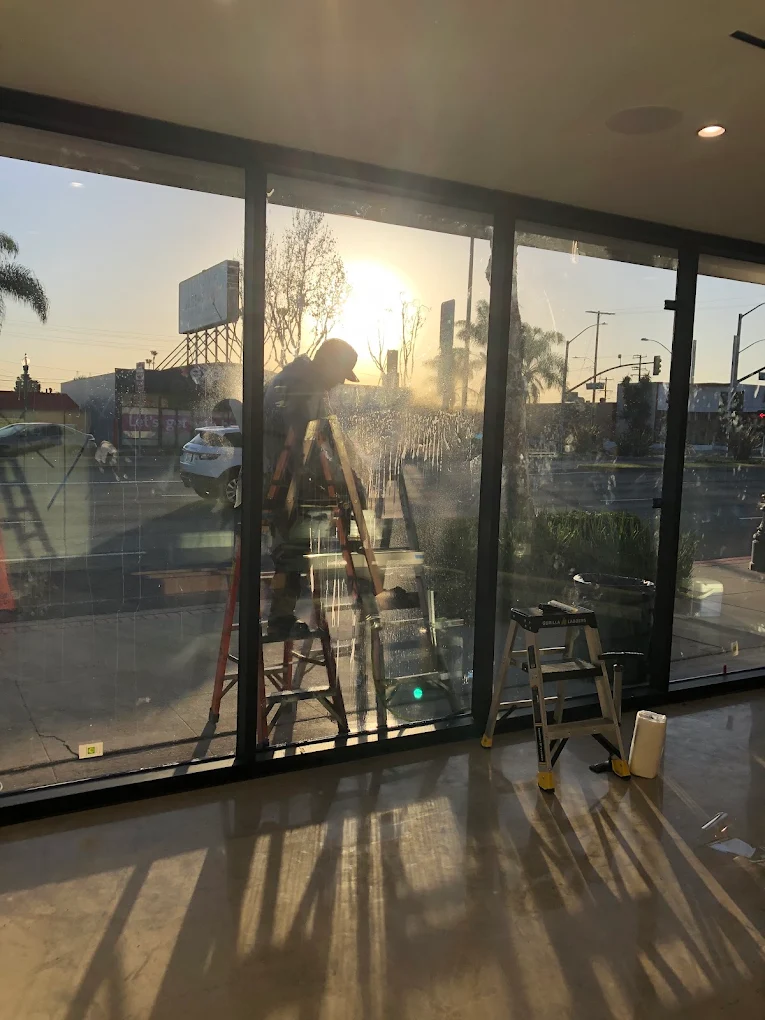
What Energy-Saving Film Does for Philadelphia Homes
Lower Summer Cooling Demand in Philadelphia
Rejecting solar heat at the glass means air conditioning runs less on hot afternoons. The biggest difference shows up on west and south windows that take direct sun during the hours when cooling is working hardest.
Low-E Film Comfort Near Cold Winter Windows
Low-E film reduces how much room heat radiates out through the glass, so sitting near a window in January feels less chilly. That helps most with single-pane sash and older double-pane units.
Energy Window Film Without Replacing Historic Sash
Film improves existing glass in place, keeping original wood windows, their proportions and their old glass. It is reversible, which matters for owners who want to preserve historic fabric.
Lower-Cost Window Energy Upgrade
Compared with full window replacement, film is a much smaller investment and is installed in a day or less. It is a practical step for homes where new windows are not in the budget yet.
Philadelphia Energy-Saving Window Film FAQs
How much can energy-saving window film cut my utility bills?
It depends on the house, the glass, the film and how you heat and cool. We do not quote a fixed percentage, because it varies widely. The windows taking the most sun and the rooms you heat most see the biggest effect.
Is window film better than new windows?
New high-performance windows outperform film, but they cost far more. Film is a good option when the existing windows are sound and the goal is a meaningful improvement on a smaller budget.
Can I put energy film on windows with storm windows outside?
Usually yes, on the inner sash. We check the setup first and choose a film suited to glass that sits behind a storm panel.
Does energy-saving film help in winter or only in summer?
Standard solar films help mostly in summer. Low-E films add winter benefit by reflecting room heat back inside. For Philadelphia, a film that does some of both is usually the best fit.
Will window film qualify for a rebate?
Rebate and incentive programs change often. Check current PECO and state programs, and we can provide product data if a program asks for it.
Window film quote
Energy-Saving Window Film Quote for Philadelphia Homes
Describe your windows (single or double pane, storm windows or not) and which rooms are hard to heat or cool, then send photos. We will recommend a film for both seasons.
Prefer email? info@windowfilmphilly.pro